Brazilian bishop says young Catholics have a ‘right’ to traditional liturgy
Bishop Joel Portella Amado said that young Catholics have a ‘right’ to traditional liturgy in the Church since ‘Catholicism is plural by nature.’
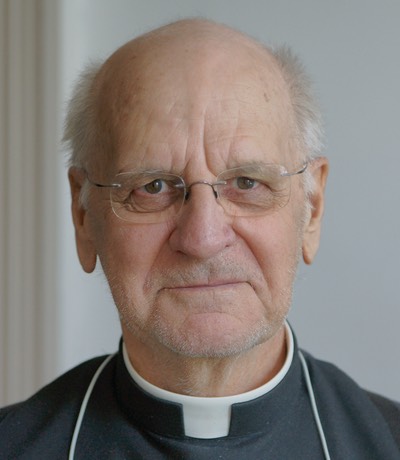
 Bishop Joel Portella
Amado of Petrópolis, BrazilWikimedia Commons
Bishop Joel Portella
Amado of Petrópolis, BrazilWikimedia Commons
- 11
Fri Apr 24, 2026 - 9:35 am EDT
Listen to this article
7 min
(LifeSiteNews) — A Brazilian bishop has said young Catholics have a right to Traditional forms of liturgy because Catholicism is inherently “plural.”
On April 17, Bishop Joel Portella Amado of Petrópolis, president of the Brazilian Bishops’ Commission for the Doctrine of the Faith, stated during a press conference at the 62nd General Assembly of the National Conference of Bishops of Brazil (CNBB) that young people are entitled to more traditional expressions of Catholic liturgy. He explained his position that this right follows from the “plural” nature of Catholicism while responding to questions about a perceived increase in traditional practices among younger members of the faithful.

“Do they have the right to be like this? Yes, because Catholicism is plural by nature, especially in a deeply plural world,” Amado said.
— Article continues below Petition —
Ask Pope Leo XIV to abandon Traditionis Custodes and lift all suppressions of the Latin Mass
Show Petition Text
20034 have signed the petition.
Let's get to 22500!
Add your signature:
Haut du formulaire
Country...USACanadaAaland IslandsAfghanistanAlbaniaAlgeriaAmerican SamoaAndorraAngolaAnguillaAntarcticaAntigua and BarbudaArgentinaArmeniaArubaAustraliaAustriaAzerbaijanBahamasBahrainBangladeshBarbadosBelarusBelgiumBelizeBeninBermudaBhutanBoliviaBosnia and HerzegovinaBotswanaBouvet IslandBrazilBritish Indian Ocean TerritoryBrunei DarussalamBulgariaBurkina FasoBurundiCambodiaCameroonCape VerdeCayman IslandsCentral African RepublicChadChileChinaChristmas IslandCocos (Keeling) IslandsColombiaComorosCongoCook IslandsCosta RicaCote D'IvoireCroatiaCubaCuracaoCyprusCzech RepublicDemocratic Republic of the CongoDenmarkDjiboutiDominicaDominican RepublicEcuadorEgyptEl SalvadorEquatorial GuineaEritreaEstoniaEthiopiaFalkland IslandsFaroe IslandsFijiFinlandFranceFrench GuianaFrench PolynesiaFrench Southern TerritoriesGabonGambiaGeorgiaGermanyGhanaGibraltarGreeceGreenlandGrenadaGuadeloupeGuamGuatemalaGuernseyGuineaGuinea-BissauGuyanaHaitiHeard and McDonald IslandsHondurasHong KongHungaryIcelandIndiaIndonesiaIranIraqIrelandIsle of ManIsraelItalyJamaicaJapanJerseyJordanKazakhstanKenyaKiribatiKuwaitKyrgyzstanLao People's Democratic RepublicLatviaLebanonLesothoLiberiaLibyaLiechtensteinLithuaniaLuxembourgMacauMacedoniaMadagascarMalawiMalaysiaMaldivesMaliMaltaMarshall IslandsMartiniqueMauritaniaMauritiusMayotteMexicoMicronesiaMoldovaMonacoMongoliaMontenegroMontserratMoroccoMozambiqueMyanmarNamibiaNauruNepalNetherlandsNetherlands AntillesNew CaledoniaNew ZealandNicaraguaNigerNigeriaNiueNorfolk IslandNorth KoreaNorthern Mariana IslandsNorwayOmanPakistanPalauPalestinePanamaPapua New GuineaParaguayPeruPhilippinesPitcairnPolandPortugalPuerto RicoQatarRepublic of KosovoReunionRomaniaRussiaRwandaSaint BarthelemySaint HelenaSaint Kitts and NevisSaint LuciaSaint MartinSaint Pierre and MiquelonSaint Vincent and the GrenadinesSamoaSan MarinoSao Tome and PrincipeSaudi ArabiaSenegalSerbiaSeychellesSierra LeoneSingaporeSint MaartenSlovakiaSloveniaSolomon IslandsSomaliaSouth AfricaSouth Georgia and the South Sandwich IslandsSouth KoreaSouth SudanSpainSri LankaSudanSurinameSvalbard and Jan Mayen IslandsSwazilandSwedenSwitzerlandSyriaTaiwanTajikistanTanzaniaThailandTimor-LesteTogoTokelauTongaTrinidad and TobagoTunisiaTurkeyTurkmenistanTurks and Caicos IslandsTuvaluUgandaUkraineUnited Arab EmiratesUnited KingdomUnited States Minor Outlying IslandsUruguayUzbekistanVanuatuVatican CityVenezuelaVietnamVirgin Islands (British)Virgin Islands (U.S.)Wallis and Futuna IslandsWestern SaharaYemenZambiaZimbabweState...AlabamaAlaskaAmerican SamoaArizonaArkansasCaliforniaColoradoConnecticutDelawareFederated States Of MicronesiaFloridaGeorgiaGuamHawaiiIdahoIllinoisIndianaIowaKansasKentuckyLouisianaMaineMarshall IslandsMarylandMassachusettsMichiganMinnesotaMississippiMissouriMontanaNebraskaNevadaNew HampshireNew JerseyNew MexicoNew YorkNorth CarolinaNorth DakotaNorthern Mariana IslandsOhioOklahomaOregonPalauPennsylvaniaRhode IslandSouth CarolinaSouth DakotaTennesseeTexasUtahVermontVirgin IslandsVirginiaWashingtonWashington D.C.West VirginiaWisconsinWyomingArmed Forces EuropeArmed Forces AmericasArmed Forces Pacific
Keep me updated via email on this petition and related issues.
Sign this Petition
Bas du formulaire
READ: Pope Leo XIV: States have ‘right’ to control borders, but migrants deserve dignity
The bishop’s remarks came in response to a question from a journalist about what has been described as a “return of certain traditional Catholic practices within Mass,” particularly among younger participants. The question specifically referenced observable behaviors such as “kneeling to receive Holy Communion” and the “use of veils by women.”
In addressing the issue, Amado pointed to broader demographic data rather than treating the phenomenon in isolation. He referred to the 2022 national census, highlighting that “individuals between the ages of 19 and 39 constitute the largest segment of those who identify as having no religion” in Brazil.
He clarified that this category does not necessarily imply atheism, but rather a form of belief in God without institutional affiliation: “It is not that they do not believe in God. The evangelical world calls them non‑religious. I prefer this expression. They believe in God, in heaven, but they have no mediation on earth, no path within the Church.” This sociological phenomenon is sometimes described in evangelical contexts as “dechurching.”
Against this background, Amado suggested that the resurgence of interest in traditional liturgical expressions among some young Catholics may be understood as part of a broader search for religious identity and structure. “In the hour of emptiness, we search and search, including within certain historical realities that these young people have not experienced,” Amado stated.
However, he did not present this as a universal or normative development, but rather as one among several legitimate expressions within the Church.
Amado further stressed that, while traditional forms of liturgical expression are permissible, they must not be imposed on others. He framed this limitation in terms of charity and ecclesial unity, stating that no group or individual should claim an exclusive truth in matters of liturgical preference.
“If, on the one hand, there is the right to live and express your faith in your own way, according to your own way of being, on the other hand, in the name of love and fraternity, you cannot impose it on others or think that only you are right. This applies not only to the example you gave, but to any other,” he said.
TOPICS
TAGGED AS
- Brazil
- Catholic
- Catholic Church
- Church
- Demographics
- Joel Portella Amado
- Liturgy
- TLM
- Tradition
- Traditional Latin Mass
- traditional piety
